How Much EV Range Do You Really Lose in Canadian Winters?
Real-World Data at −10°C, −20°C, and Beyond
If you’re shopping for a used electric vehicle in Canada, winter range is probably the question keeping you up at night.
You’ve likely heard everything from:
“EVs lose half their range in winter”
to“It’s barely noticeable”
As usual, the truth sits comfortably in the middle — and it depends heavily on temperature, vehicle design, and how you drive.
This guide breaks down what actually happens to EV range in Canadian winters, using real-world patterns from popular models, and explains what to expect at −10°C, −20°C, and colder.

4
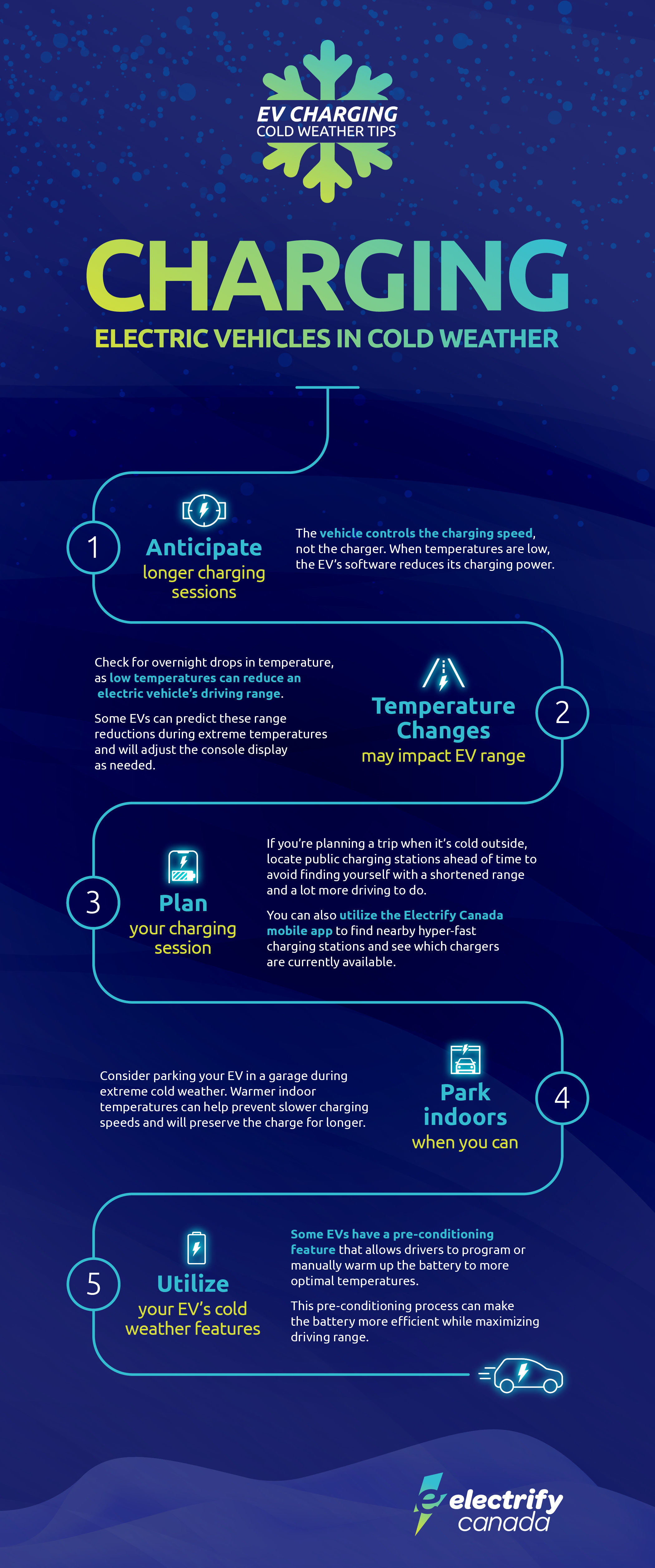
Why Cold Weather Reduces EV Range (Quick Explanation)
Winter affects EVs in three main ways:
Battery chemistry slows down
Cold lithium-ion cells can’t move energy as efficiently.Cabin heating draws significant power
Especially on EVs without heat pumps.Increased resistance
Cold air is denser, winter tires add drag, and snow-covered roads increase rolling resistance.
None of this is unique to EVs — gas cars lose efficiency too — but EVs make it more visible via the range display.
The Big Picture: Average Winter Range Loss in Canada
Across most modern EVs sold in Canada, typical winter range loss looks like this:
−10°C: ~10–20% loss
−20°C: ~20–35% loss
−30°C and colder: ~30–45% loss (worst case)
That’s the realistic expectation — not the extreme headlines.
Real-World Winter Range by Temperature
At −10°C (Common Canadian Winter Day)
This is where most Canadians spend the majority of winter.
What to expect:
Battery still performs reasonably well
Regen braking mostly available
Cabin heat demand is moderate
Typical range loss:
➡️ 10–20%
Most drivers barely notice this once they adjust charging habits.
At −20°C (Cold Snap Territory)
This is where winter EV myths usually come from.
What changes:
Battery heating becomes more important
Cabin heat works harder
Regen may be temporarily limited
Charging speeds slow if the battery is cold
Typical range loss:
➡️ 20–35%
Still very usable — but planning matters more.
At −30°C and Below (Extreme Cold)
This is not daily driving for most Canadians — but it does happen.
What to expect:
Heavy heating demand
Slower charging
Noticeable regen reduction until warmed
Short trips are less affected than long highway runs, For more on the best highway EV's.
Typical range loss:
➡️ 30–45% (temporary)
Important note:
This loss is not permanent. Range returns when temperatures rise.
Winter Range: Popular EVs Compared (Canada)
Below are realistic winter patterns, not best-case marketing numbers.
Tesla Model 3 (2018–2020)
No heat pump
−10°C: ~15–20% loss
−20°C: ~25–35% loss
Strong thermal management helps recovery
Tesla Model 3 (2021+)
Heat pump added
−10°C: ~10–15% loss
−20°C: ~20–25% loss
One of the best winter performers
Chevrolet Bolt EV
Very efficient drivetrain
No heat pump
−10°C: ~15% loss
−20°C: ~25–30% loss
Excellent city efficiency
Hyundai Kona Electric
Liquid-cooled battery
Heat pump on many trims
−10°C: ~10–15% loss
−20°C: ~20–25% loss
Consistently strong winter results
Nissan LEAF
No active battery thermal management
−10°C: ~20% loss
−20°C: ~30–40% loss
Degradation compounds winter impact
What Makes Winter Range Better (or Worse)
Helps Winter Range:
Heat pump
Battery thermal management
Preconditioning while plugged in
Heated seats + steering wheel
Lower highway speeds
Hurts Winter Range:
Short trips without preconditioning
Resistive cabin heating
High highway speeds
Letting the battery sit cold before charging
How Canadians Adapt (And Why It Works)
Most EV owners adjust within two weeks of winter driving.
Common adaptations:
Plug in every night
Precondition before departure
Charge to 85–90% instead of 80%
Drive 5–10 km/h slower on highways
Result:
➡️ Winter becomes predictable — not stressful.
The Most Important Takeaway
Winter range loss is:
Real
Predictable
Temporary
Manageable
What matters most isn’t headline range — it’s how you charge and drive.
For most Canadians, a used EV with:
350–400 km rated range
Becomes:250–300 km winter-usable range
And that comfortably covers daily needs.
Final Verdict: Don’t Fear Winter — Plan for It
Canadian winters don’t make EVs impractical.
They simply reward informed owners.
Once you understand winter range loss:
Anxiety drops
Planning improves
EV ownership feels normal — even at −20°C
Used EVs aren’t winter toys.
They’re everyday vehicles — when you know what to expect.