Home EV Charging Setup: A Complete Canadian Guide (2025)
Level 1 vs Level 2, Installation Costs, Electrical Requirements & the Best Home Chargers
If there’s one thing that makes EV ownership feel effortless, it’s home charging.
Forget gas stations. Forget lineups. You plug in at night and wake up to a full battery — especially powerful when you’re driving a used EV and maximizing value.
But Canadian homes, climates, and electrical systems vary widely. This guide walks you through everything you need to know about setting up EV charging at home, without upselling, fear-mongering, or jargon.

Why Home Charging Is a Game-Changer in Canada
For most EV owners, 90–95% of charging happens at home.
Home charging means:
Lower “fuel” costs
Warm batteries in winter
Predictable daily range
Less reliance on public chargers
A dramatically better ownership experience
Even if you can use public charging, home charging is what makes EVs truly convenient — especially in cold climates.
Level 1 vs Level 2 Charging: What’s the Difference?
Level 1 Charging (Standard Wall Outlet)
What it is:
A regular 120V household outlet using the portable cable that comes with most EVs.
Charging speed:
~6–8 km of range per hour
~60–80 km overnight
Pros:
No installation cost
Works in any home
Perfect for very light driving
Cons:
Too slow for most commuters
Struggles in winter
Limited recovery if you run the battery low
Best for:
Short daily commutes
Plug-in hybrids
Apartment or rental situations
Backup charging
Level 2 Charging (The Sweet Spot)
What it is:
A 240V charger, similar to a dryer or oven outlet.
Charging speed:
~30–50 km of range per hour
Full charge overnight for most EVs
Pros:
Ideal for Canadian winters
Fast, predictable charging
Maximizes off-peak electricity rates
Future-proofs your home
Cons:
Upfront installation cost
Requires electrical panel capacity
Best for:
Most Canadian EV owners
Used EV buyers who want stress-free ownership
Households with multiple drivers or EVs
Bottom line:
👉 If you own your home, Level 2 charging is worth it.
Electrical Requirements (What Your Home Needs)
Most Level 2 chargers require:
240V outlet
40–60 amp breaker (charger-dependent)
Sufficient panel capacity (often 100A or 200A service)
Common scenarios:
Modern homes (200A service): Usually no problem
Older homes (100A service): May need load calculation
Very old homes: Panel upgrade sometimes required
A licensed electrician will perform a load assessment to confirm capacity — this is standard and required.
Installation Costs in Canada (Realistic Numbers)
Costs vary by home layout, panel location, and province, but here’s what most Canadians can expect:
Typical cost breakdown:
Level 2 charger: $600–$1,200
Electrical installation: $500–$2,000
Panel upgrade (if needed): $2,000–$4,000+
Most installs land between $1,200–$2,000 all-in.
💡 Many provinces and utilities offer charger rebates that significantly reduce this cost.
Indoor vs Outdoor Installation (Canadian Reality)
Garage Installation
Best option if you have one:
Protected from snow and ice
Easier winter charging
Less wear on equipment
Outdoor Installation
Very common in Canada — just choose the right charger:
Must be weather-rated (NEMA 4 or better)
Cold-resistant cable
Proper mounting and GFCI protection
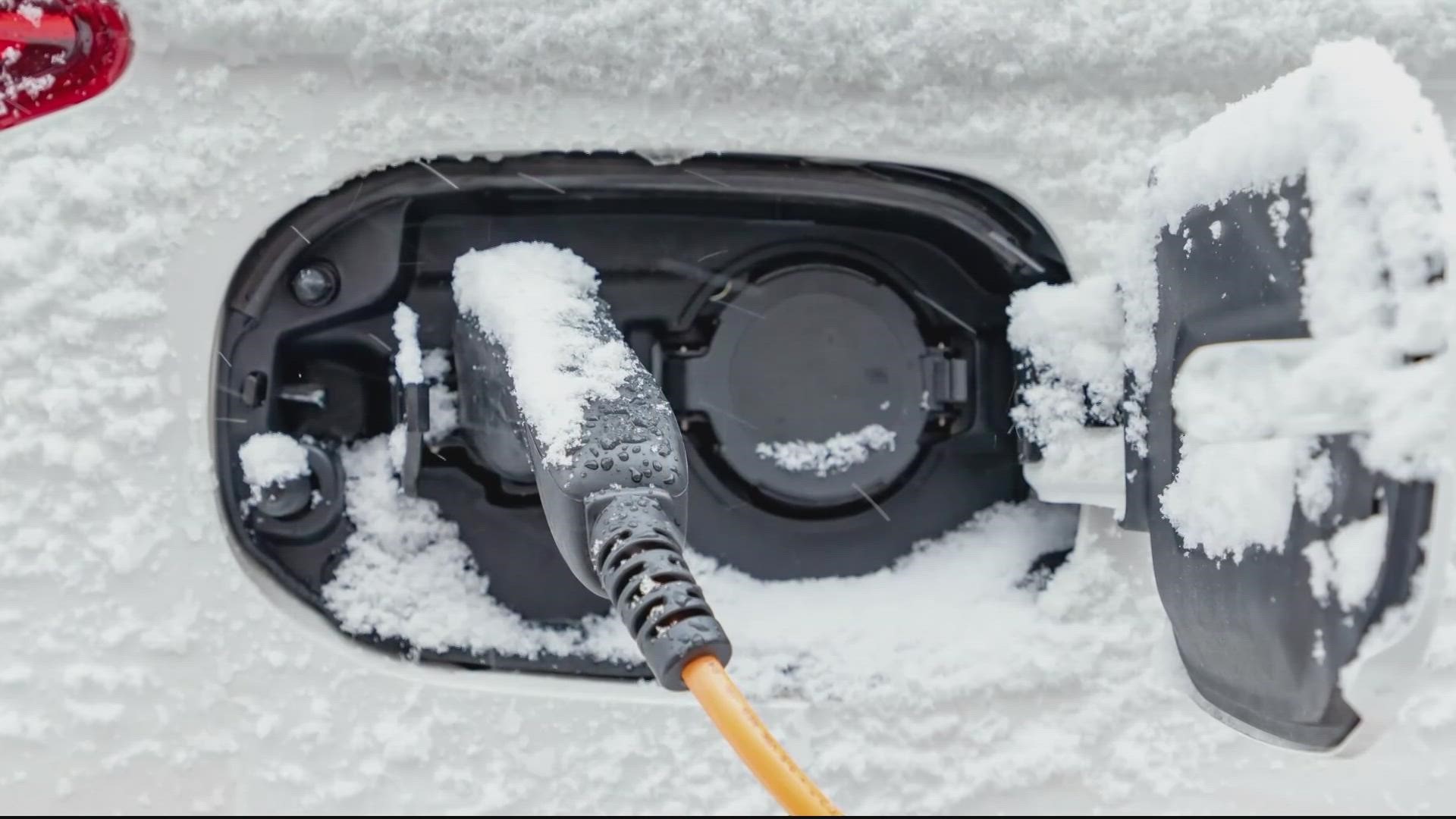
A quality outdoor-rated charger works year-round, even in −30°C conditions.
The Best Home EV Chargers for Canadian Homes (2025)
Here are the most trusted, Canada-friendly options — rugged, reliable, and electrician-approved.
Grizzl-E
Best Overall for Canadian Winters
Made in Canada 🇨🇦
Extremely rugged
Excellent cold-weather cable
Simple, reliable design
Best for: Outdoor installs, cold climates, durability-first buyers
ChargePoint Home Flex
Best Smart Charger
Excellent app
Adjustable amperage
Load-sharing capable
Clean, modern design
Best for: Tech-focused users, energy tracking, future EVs
FLO Home X5
Best Utility-Grade Reliability
Designed for harsh climates
Rock-solid build quality
Popular with utilities
Best for: Long-term reliability and outdoor installs
Tesla Wall Connector
Best for Tesla Owners
Seamless integration
Power sharing for multiple Teslas
Clean aesthetic
Note: Works best if you’re firmly in the Tesla ecosystem.
Charging Costs: What Will It Actually Cost to “Fuel” Your EV?
Typical Canadian electricity rates:
Off-peak: ~$0.08–$0.12/kWh
Average EV efficiency: ~15–20 kWh / 100 km
Real-world cost:
~$3–$4 per 100 km at home
Far cheaper than gasoline — especially in 2025
Charging overnight on off-peak rates is where EVs really shine financially.
Smart Charging Tips for Canadian Owners
Schedule charging overnight
Precondition your car while plugged in (huge in winter)
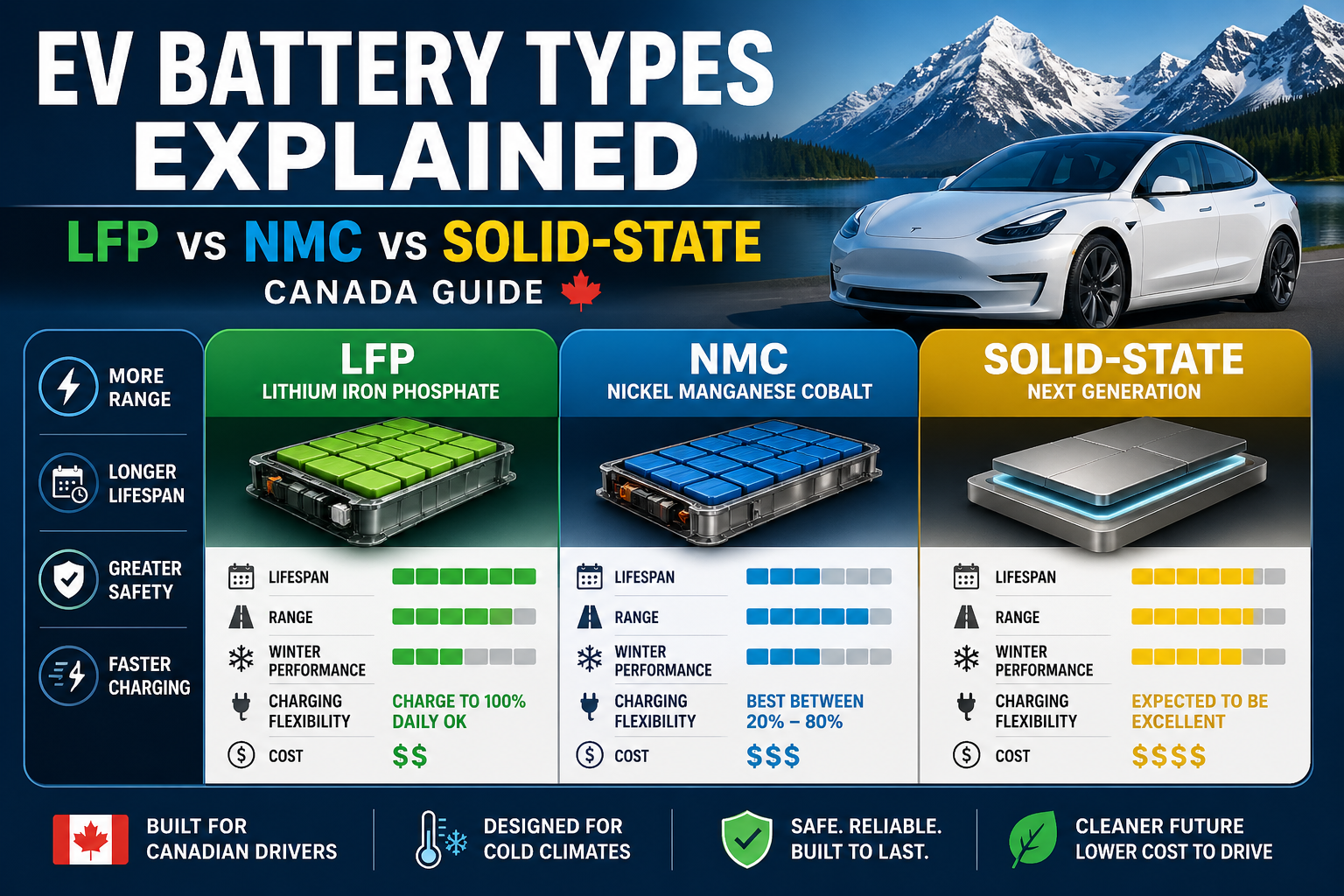
Don’t stress about charging to 100% daily (80–90% is ideal)
Install a charger that can adapt to future EVs
Final Verdict: Home Charging Is the Best EV Upgrade You’ll Ever Make
You don’t need home charging to own an EV — but once you have it, you’ll never go back.
For Canadian drivers:
Level 2 charging is the gold standard
Installation costs are manageable
Rebates often soften the blow
Daily convenience is unmatched
Set it up once, charge quietly every night, and let the savings compound.