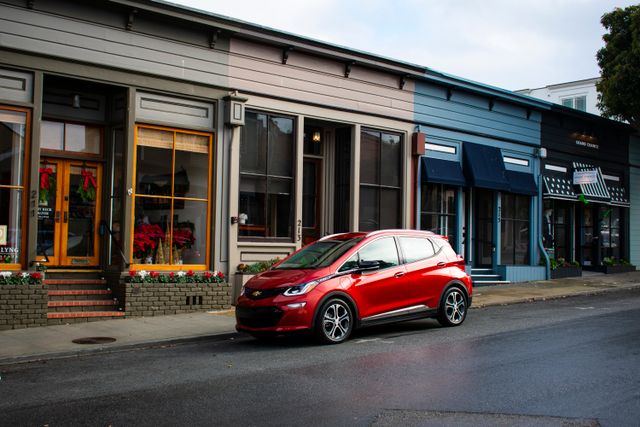
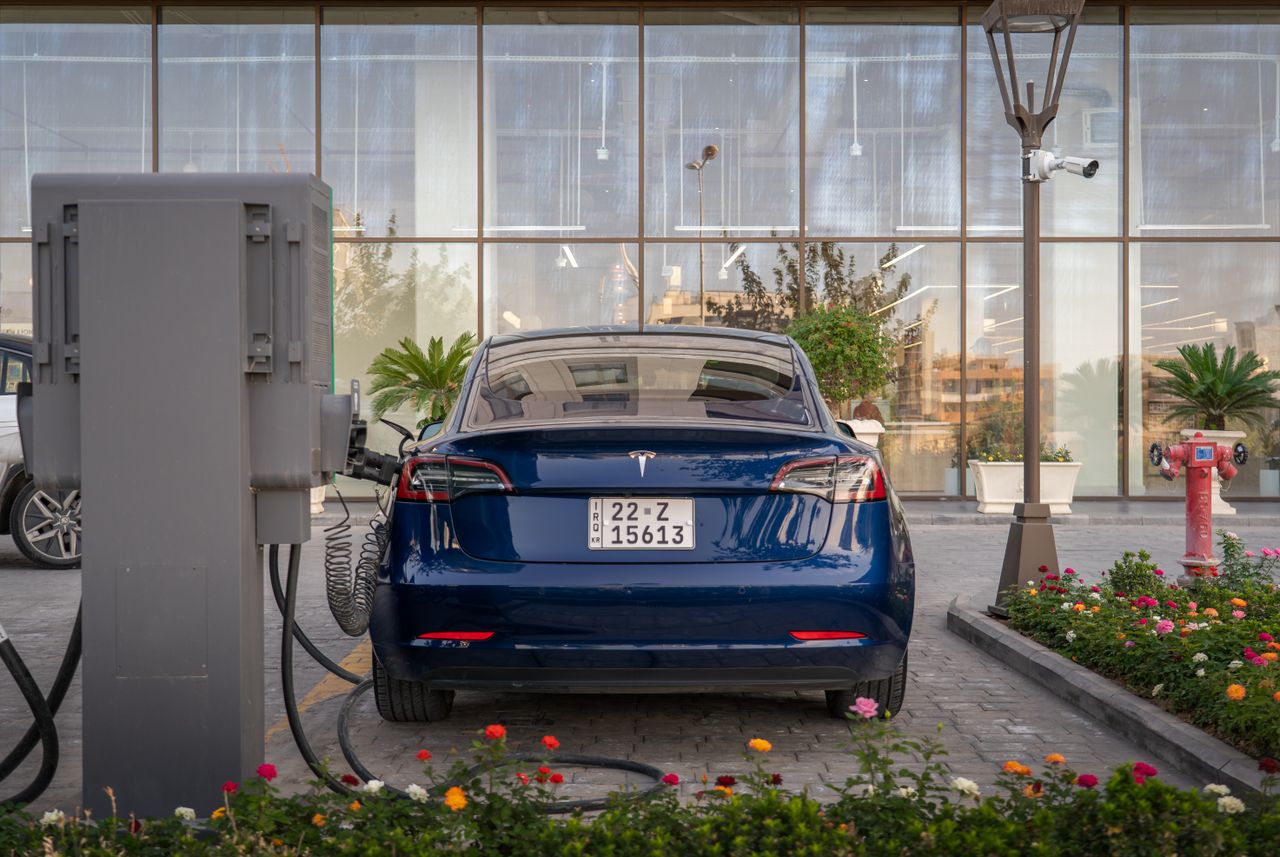
Selling an EV privately in Canada usually puts more money in your pocket than a trade-in. But EV buyers ask different questions than gas-car buyers. They don't care much about oil changes. They want to know how healthy the battery is, how far the car goes in January and what plug it uses. If you can answer those questions with paperwork instead of promises, a lowballer has very little to work with.
Quick answer: Get a battery health number before you list. Price the car against same-model listings in your province, not against gas cars or last year's asking prices. Put battery, winter range, charging and warranty details right in the ad. And only hand over the car once the money is sitting in your account. No province requires a battery report, but having one is often what separates a quick sale at a fair price from a month of "is the battery shot?" messages.
Why selling privately can pay off right now
The used EV market has settled down. Clutch's July 2026 pricing report found used EV prices holding flat on a like-for-like basis after two years of steep declines, and comparable used Teslas were slightly up year over year. The same report found the median used EV sold in just 23 days, the fastest of any fuel type that month.
That's good news for sellers. Buyers are out there, and they move quickly when a car looks right. A dealer, on the other hand, has to price in the risk of an unknown battery plus its own cost of reselling the car, so EV trade-in offers tend to leave money on the table. If you're willing to do some work, a private sale lets you keep that difference. For a broader look at the trend, see our report on used EV prices in Canada levelling off.
Step 1: Put a number on your battery
Battery condition is the first thing a serious buyer asks about and the first thing a lowballer attacks. Give them a number.
Start with what the car already tells you
Many EVs show a battery health estimate in an app or service screen, and most can be read with an inexpensive OBD2 dongle and a phone app. Our guide on how to check EV battery health before buying walks through the free methods by brand. Take a screenshot that shows the date and odometer.
Then consider an independent test
Buyers can easily dismiss a dashboard estimate. An independent report is harder to argue with. AVILOO's FLASH test, for example, is a roughly three-minute diagnostic through the car's OBD port that produces a battery certificate for that specific vehicle. AVILOO's own data, from more than 500,000 tests, found battery health can vary by as much as 13.5% between cars of the same model. That's exactly why buyers want a test of your car, not a model average.
Dealers are catching on too. Toronto's Carnex began showing verified battery health on its used EV listings in March 2026. We compare the options in independent battery tests vs. the dashboard estimate.
Seller tip: Show off a strong battery number, and still disclose a weak one. Buyers will find out at the inspection anyway, and a car priced honestly for its battery sells faster than one whose deal falls apart at the last minute.
Step 2: Price it like an EV, not a gas car
General pricing tools don't understand batteries well. Build your price from these four inputs:
- Same-model comparables in your province. Match year, trim, battery size and kilometres as closely as you can. Ignore listings that have sat for months. They're showing you what doesn't sell.
- Battery health. A car with a documented, above-average battery deserves the top of the range. Our breakdown of how battery degradation affects resale value gives rough pricing bands.
- Remaining battery warranty. Most EV batteries are covered for 8 years or 160,000 km from the car's original in-service date, and some trims go longer. The years and kilometres left are a real selling point. Our guide to EV warranties for used buyers explains how coverage carries over.
- The new-car ceiling. The federal Electric Vehicle Affordability Program (EVAP) takes up to $5,000 off eligible new EVs with a final transaction value of $50,000 or less. It doesn't apply to used cars (details here), so it caps what buyers will pay for a used car that competes with a discounted new one. Nissan Canada, for example, now lists the 2027 Leaf S at $34,998 before that incentive.
| Pushes your price up | Pushes your price down | |---|---| | Independent battery report with a strong result | No battery data at all | | Several years and kilometres of battery warranty left | Warranty expired or nearly expired | | Heat pump, winter tires included | Older CHAdeMO fast-charging port | | Clean history, recall work documented | Accident damage near the battery |
Step 3: Write a listing that answers EV questions up front
Every question you answer in the ad saves you a back-and-forth with a tire-kicker. Include:
- Battery health and where the number came from (app, dongle or independent test)
- Real winter range you've seen, with the temperature (for example, "about 280 km at −15°C, mostly highway")
- Charge port (CCS, NACS or CHAdeMO) and any adapters included
- Charging gear that comes with the car, like a mobile connector
- Battery warranty end date and kilometres
- Recall status, such as whether a Chevrolet Bolt had its battery modules replaced
- Heat pump (yes or no), winter tires, service records and a CARFAX Canada report
Our free Sell Your EV form is built around exactly these details. It walks you through battery and range, then charging and winter, and it keeps your email and phone number private. List your EV for free on our marketplace to reach buyers who are specifically shopping for a used EV.
Step 4: Handle lowballers with paperwork, not arguments
EV lowball offers usually lean on one of three lines. Here's how to answer each:
- "The battery's probably degraded." Hand them the report. If they want their own test, they're welcome to run one at their cost.
- "EV prices are crashing." Show three current comparable listings in your province. The national data says prices have flattened.
- "Nobody wants this plug." If you've already priced for it, say so. The discount is already in the number.
Don't fudge the bill of sale
Some buyers will ask you to write a lower price on the paperwork to cut their tax. In Canada's three biggest provinces, it usually won't even work, and it puts your signature on a false statement:
- Ontario charges private buyers 13% retail sales tax on the purchase price or the vehicle's wholesale value, whichever is higher.
- BC charges PST on the purchase price or the Canadian Black Book average wholesale value, whichever is greater, and both buyer and seller certify the price on ICBC's transfer form.
- Quebec calculates QST on the higher of the sale price or the vehicle's estimated value for most vehicles 14 years old or newer.
Write the real number.
Set your floor before the first message
Decide your walk-away price in advance, and don't negotiate by text before someone has seen the car. People who haggle hard sight unseen rarely end up buying.
Step 5: Get paid without getting scammed
Private sellers are a target. Overpayment scams, fake e-Transfer confirmations and counterfeit cheques are the most common tricks used against Canadian private sellers in 2026. Protect yourself:
- Interac e-Transfer: Log in to your own bank app and confirm the money is there. Don't trust an email or a screenshot. Scammers send fake auto-deposit notices and fake "payment on hold" emails with links.
- Bank draft: Meet at the buyer's branch and watch it being issued, or have your own bank verify it before you sign anything.
- Never accept overpayment or agree to refund "the difference."
- Meet somewhere safe, such as a police-designated safe exchange zone, and go along on test drives.
- Keep the keys and the signed ownership until the funds have cleared.
Step 6: Paperwork in the three biggest provinces
Ontario
You must give the buyer a Used Vehicle Information Package (UVIP), which costs $20. It includes the car's registration and lien history, its average wholesale value and a bill of sale. The buyer registers the car and pays the tax. The buyer will also need a Safety Standards Certificate to plate the car, so selling with one can widen your pool of buyers.
British Columbia
Use ICBC's Transfer/Tax Form (APV9T). It needs original signatures from both of you (electronic signatures aren't accepted), and the transfer must be completed at an Autoplan broker within 10 days of the sale. Take your plates off, keep your signed copy and cancel or transfer your insurance.
Quebec
As a private seller, you don't collect GST or QST. The SAAQ charges the buyer QST when the vehicle is registered in their name.
In every province: If there's still a loan on the car, get a payout letter from your lender before you list. Buyers check for liens, and an unclear lien kills deals.
FAQ
Do I need a battery health report to sell an EV in Canada?
No province requires one. But buyers increasingly expect it, and a report is your best defence against lowball offers.
Should I trade in or sell privately?
A trade-in is faster and can lower the sales tax on your next vehicle. In Quebec, for example, tax is charged only on the difference between the new car's price and your trade-in credit. A private sale usually brings a higher price. Put both numbers side by side before you decide.
What's the safest way to get paid?
A bank draft you watch being issued at the buyer's branch, or an e-Transfer you've confirmed by logging in to your own bank.
Ready to sell? List your EV for free on our marketplace. Shopping for your next one? Browse used electric cars for sale across Canada.
Sources: Clutch, Used Car Pricing Report (July 2026); EV Infrastructure News, AVILOO 500,000-test battery study; Canada NewsWire, Carnex verified battery health listings (March 2026); Drive Tesla Canada, EVAP eligibility and $50,000 cap; Autosphere, 2027 Nissan Leaf S pricing; Ontario, Retail Sales Tax; ICBC, PST on vehicles; Revenu Québec, QST on used vehicles; Revenu Québec, trade-in transactions; O. Reg. 601/93 (UVIP fee); Finder, buying a used car in BC (APV9T rules); Canada Drives, car-selling scams in Canada (June 2026); Kijiji, avoiding vehicle scams; Edmonton Police Service, e-Transfer scam warning; Canada Drives, selling a used EV in Canada. Tax and registration rules change; confirm current details with your province before you sell.