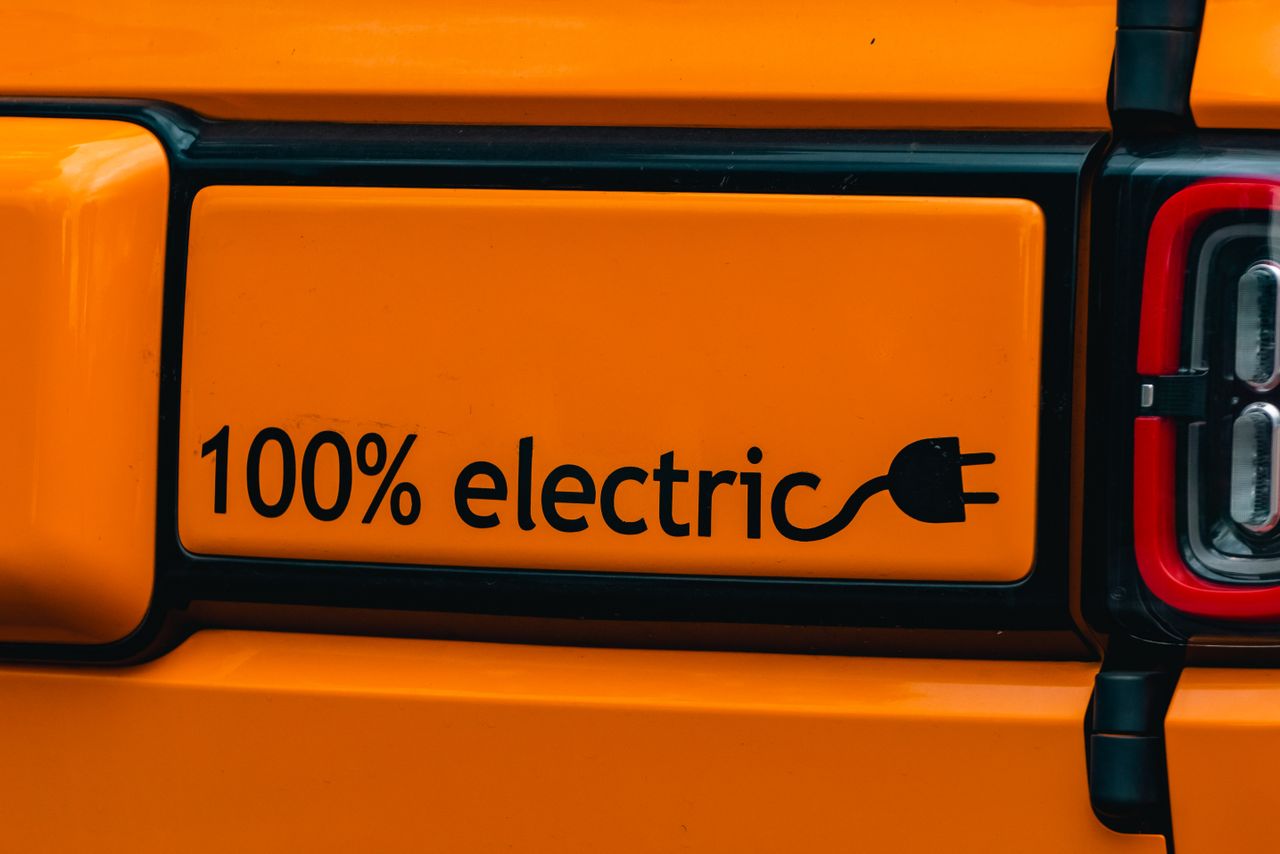
Canada now has close to 40,000 public EV charging ports — more than ever before, growing faster in the fast-charging category than any other. And yet, in the same period, the share of those chargers actually being used at any given time has been falling, not rising. That combination — record buildout, softening usage — is the clearest sign yet that Canada's charging infrastructure and Canada's EV sales are currently moving in opposite directions.
Quick answer: As of Q2 2026, Canada added 390 new public DC fast-charging ports across 99 stations in a single quarter — a 30% year-over-year increase — while national charger utilization actually dropped from 11.3% in Q1 to 9.5% in Q2. The mismatch comes down to timing: charging investment decisions get made years before a station opens, while EV sales have softened more recently following 2025's incentive reductions and the sales-mandate uncertainty covered in our look at Ottawa's mandate repeal. For used EV buyers, this is mostly good news: more chargers, less competition for each one, at least for now.
The buildout, by the numbers
Nationally, Canada had 39,654 public charging ports across 14,743 locations as of the most recent full network count — up 17.4% year-over-year, though that's a slower growth rate than the 24.2% increase recorded the year before. The composition of that growth is telling: Level 2 charging (31,172 ports) grew a modest 13.5%, while DC fast charging (8,431 ports) grew a much steeper 33.6%. In other words, the network isn't just getting bigger, it's getting faster, with new investment concentrated on the higher-power stations that actually matter for road trips and quick top-ups.
Zooming into just the second quarter of 2026, that fast-charging build-out looks even more concentrated: 390 new DC fast ports opened across 99 stations in three months alone, a 30% year-over-year jump. Quebec led with 44 new stations, followed by Ontario (21) and British Columbia (18). Tesla was the single largest deployer in the quarter, adding 98 new ports on its own — a reminder that Tesla's charging network buildout hasn't slowed down even as its vehicle sales growth has.
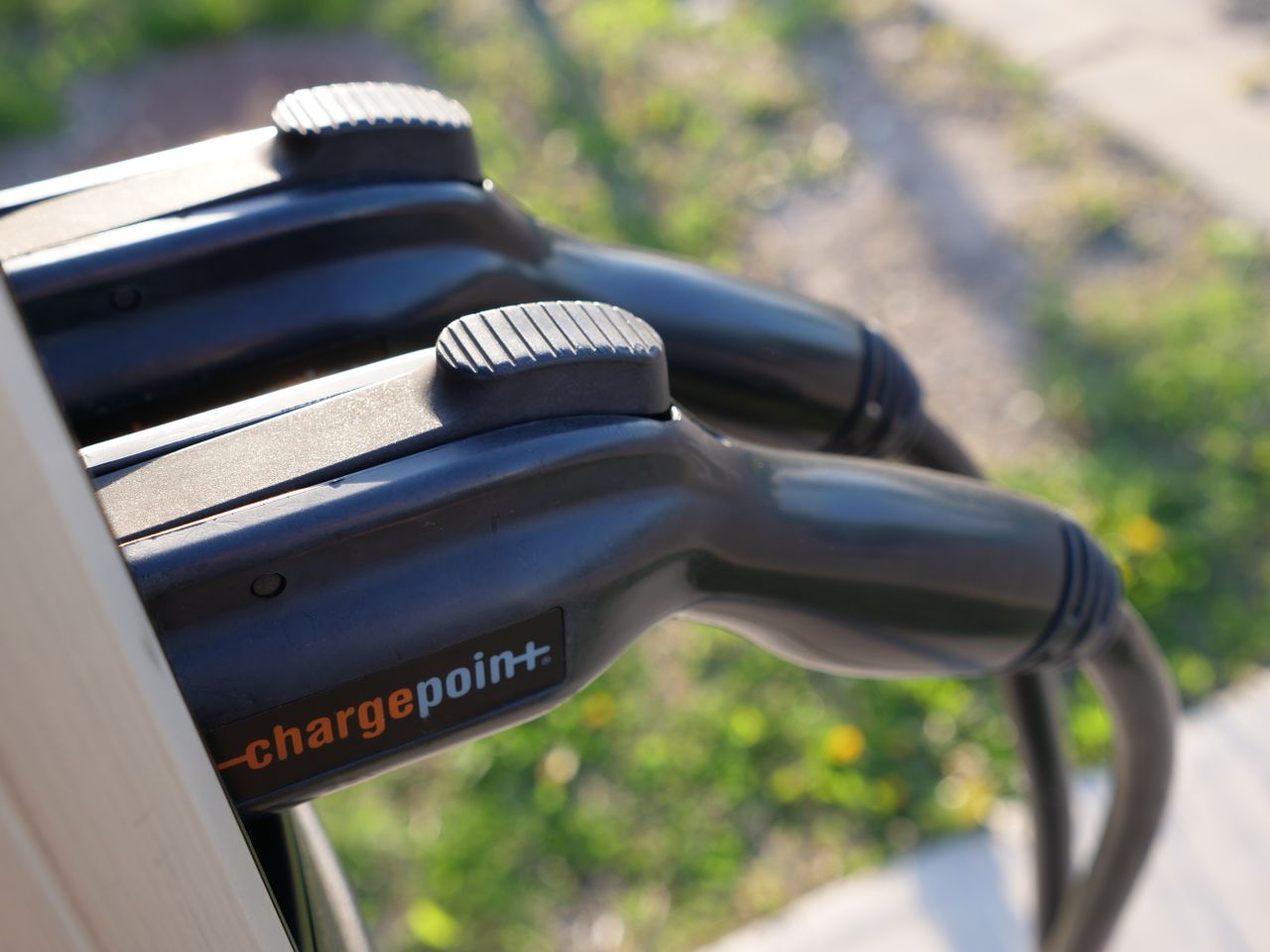
Across the network as a whole, a handful of operators account for most of the country's charging footprint. Hydro-Québec's Electric Circuit leads with roughly 1,395 DC fast ports and 6,375 Level 2 ports; FLO follows with about 1,022 fast ports and a network-leading 8,427 Level 2 ports; Tesla runs roughly 2,892 fast ports (still the largest single fast-charging operator) alongside 1,709 Level 2 ports; ChargePoint and BC Hydro round out the leaders. Reliability across the network sits at 91.2% — a reasonable, if not exceptional, figure for a network expanding this quickly.
The utilization problem
Here's where the story turns. Despite all of that new capacity, the share of chargers actually in use at any given time fell from 11.3% in Q1 2026 to 9.5% in Q2 — a meaningful drop in the same three-month window that saw the fastest charger buildout of the year. The explanation isn't a mystery: infrastructure is growing faster than driver demand right now, and that demand softness traces directly back to weaker EV sales following 2025's incentive reductions. It's the same underlying trend covered in our federal mandate repeal coverage — fewer new EVs being pushed into the market means fewer EVs on the road competing for each charger, at least in the near term.
The uncomfortable follow-on point for the charging industry: these are long-lived capital assets built on years-out demand projections, and the near-term data suggests a real risk that some operators end up with underutilized stations, at least until EV adoption growth resumes at the pace planners assumed when these stations were financed.
Ottawa is still writing checks
None of this has slowed federal and provincial investment in the network. In late July 2026, the federal government announced C$10.9 million in new charging-related funding — split between roughly C$9 million for nine infrastructure projects adding about 400 new charging points, and C$2 million for 13 education and awareness projects aimed at building consumer confidence in EV ownership. The single largest recipient was Hydro-Québec, receiving C$5 million to install around 100 new DC fast chargers on its Electric Circuit network. Smaller amounts went to the Canadian Charging Infrastructure Council and Canadian Parking Association — both aimed specifically at closing the charging gap for the nearly one-third of Canadian households living in multi-unit residential buildings — along with funding for Ivy Charging Network and QuantumEV to expand provincial coverage.
British Columbia has been running its own parallel push: $19.1 million invested in 75 new charging projects, adding 277 DC fast ports and 51 Level 2 ports across 41 communities, part of what pushed the province's public charging count past 8,800 ports as of January 1, 2026 — an 86% jump from the year before.
Put simply: the people funding Canada's charging network haven't slowed down just because utilization softened. That's a deliberate bet that demand catches back up, not a sign anyone thinks the buildout was a mistake.
Why build ahead of demand anyway
This isn't necessarily a warning sign so much as how infrastructure of this kind normally gets built. Charging stations take years to plan, permit, and construct — the sites going live in 2026 were largely committed to well before this year's softer EV sales numbers were known. Building ahead of a market that's expected to keep growing, even through a rough patch, is a standard infrastructure strategy; the alternative — waiting for demand to visibly outstrip supply before breaking ground — would mean perpetually lagging behind actual driver needs during any period of faster adoption. The risk is real (underused assets cost money to operate and maintain regardless of utilization), but it's a risk regulators and utilities appear willing to accept in exchange for not being caught flat-footed if EV sales rebound.
What this means for you as a used EV buyer
For anyone shopping a used EV right now, softer utilization is a genuinely good problem to have. It means shorter waits at fast chargers, less range anxiety on road trips, and a broader, more reliable charging map than existed even a year ago — all without the crowding that a faster-growing EV fleet would otherwise create. If you've been holding off on a used EV purchase specifically because you were worried about charger availability, the data suggests that worry has gotten measurably smaller over the past year, not larger.
That said, the funding pattern above is worth paying attention to if where you live matters to your decision — Quebec, Ontario, and BC are pulling ahead of other provinces in both public and private charging investment, and the federal push toward multi-unit residential charging is specifically relevant if you live in a condo or apartment without dedicated home charging; see our guide to the best used EVs for apartment and condo owners without home charging for how to plan around that. For a full rundown of which networks actually cover the routes you drive, our public charging networks comparison breaks down coverage and cost by network, and our home charging setup guide covers the cheaper, higher-utilization option for anyone who can install one.
The bottom line
Canada's public charging network grew faster in 2026 than driver demand did, and the utilization numbers prove it — a genuinely unusual dynamic after years of "not enough chargers" being the default EV complaint in Canada. It's a byproduct of the same softer EV sales environment driving the federal mandate repeal and the used-price pressure we've covered elsewhere on this site, not a sign the buildout itself was miscalculated. For used EV owners and shoppers, it's close to a pure upside: more chargers, shorter waits, and a network that's still expanding even as the vehicles using it grow more slowly than planned.
FAQ
Are there actually enough EV chargers in Canada now? By the numbers, yes, more than ever — nearly 40,000 public ports nationally, growing close to 20% year-over-year, with fast chargers growing even quicker. Utilization data suggests supply is currently outpacing demand nationally, though coverage still varies a lot by region.
Why would charger utilization drop while the network is growing? Charging stations take years to plan and build, so 2026's new stations were largely committed to before this year's softer EV sales became clear. Slower EV sales growth — tied to reduced incentives and mandate uncertainty — means fewer vehicles are competing for each charger right now.
Does lower utilization mean charging companies will stop building? Not based on current behaviour — federal and provincial governments actually increased charging investment in 2026, including a $10.9 million federal funding round in July and BC's own $19.1 million provincial push, suggesting funders are betting on demand recovering rather than pulling back.
Is this good or bad news for someone buying a used EV? Mostly good. Lower utilization generally means shorter waits at fast chargers and less range anxiety, without giving up any of the coverage gains from a rapidly growing network.
Sources: Canadian Auto Dealer, "EV charging buildout outpaces demand in Canada" (citing Paren network data); Electric Autonomy Canada, "2026 EV Charging Network Report: Steady Progress"; electrive.com, "Canada supports EV charging and knowledge sharing"; Electric Autonomy Canada, "B.C. drops ZEV sales target to 75 per cent for 2035".