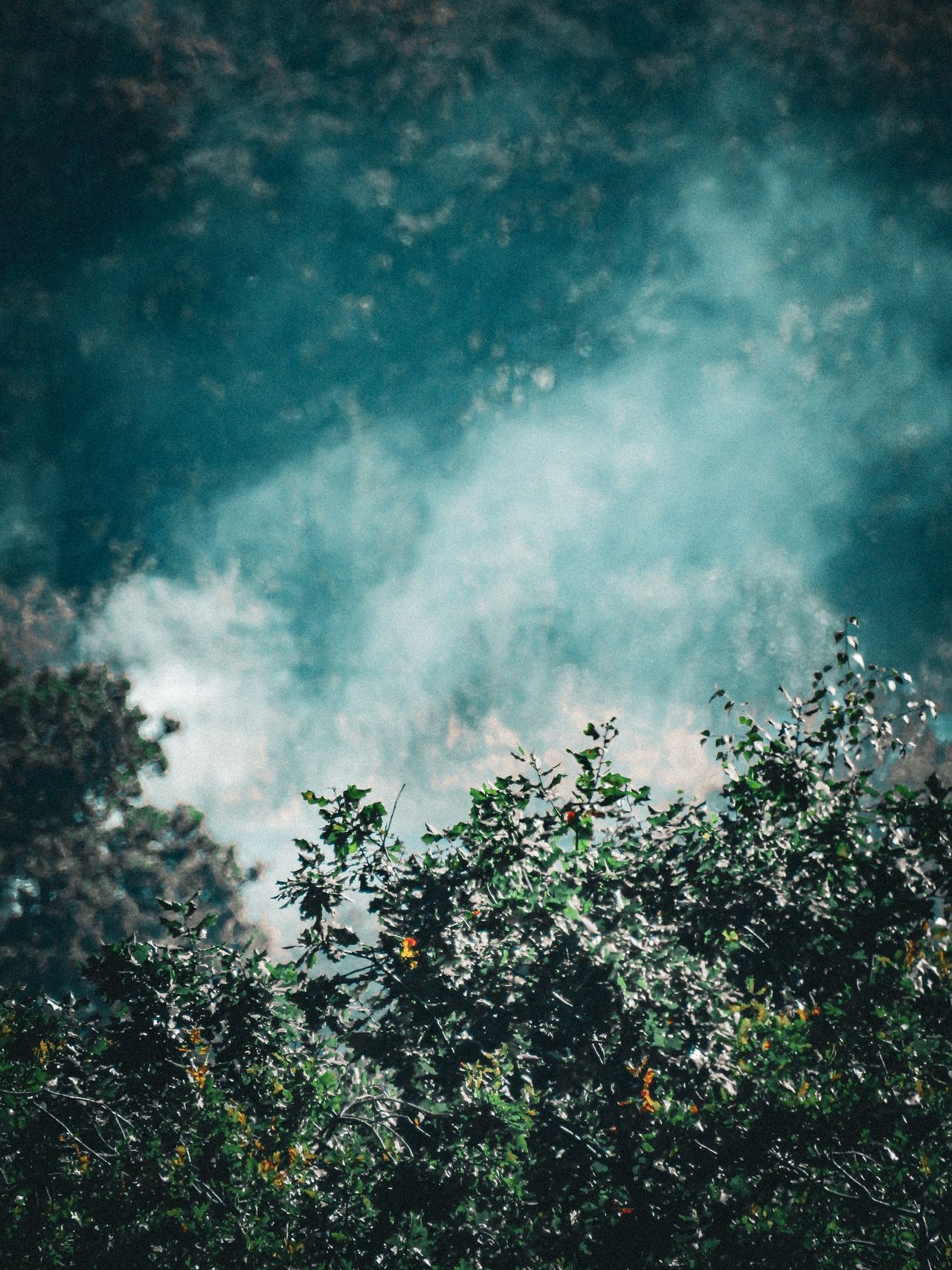
Every summer now, there's a stretch of days where the sky over Vernon, Kelowna, or Ottawa turns the colour of weak tea and the local air quality index reads "high risk" before noon. Wildfire smoke season is no longer a BC-interior problem — in 2026 alone, smoke from Canadian fires has pushed air quality advisories across Ontario, the Prairies, and deep into the US Midwest. If you're commuting or evacuating through it, the obvious question for an EV owner is whether your car's cabin air system is actually doing anything, or whether it's marketing.
Quick answer: Yes, EV cabin air filtration genuinely helps, and in Tesla's case there's real independent-adjacent testing behind the marketing name. But the effectiveness varies a lot by vehicle, filter age matters more than most owners realize, and no cabin filter makes it safe to treat a smoke-choked highway like a normal drive.
What "Bioweapon Defense Mode" actually is
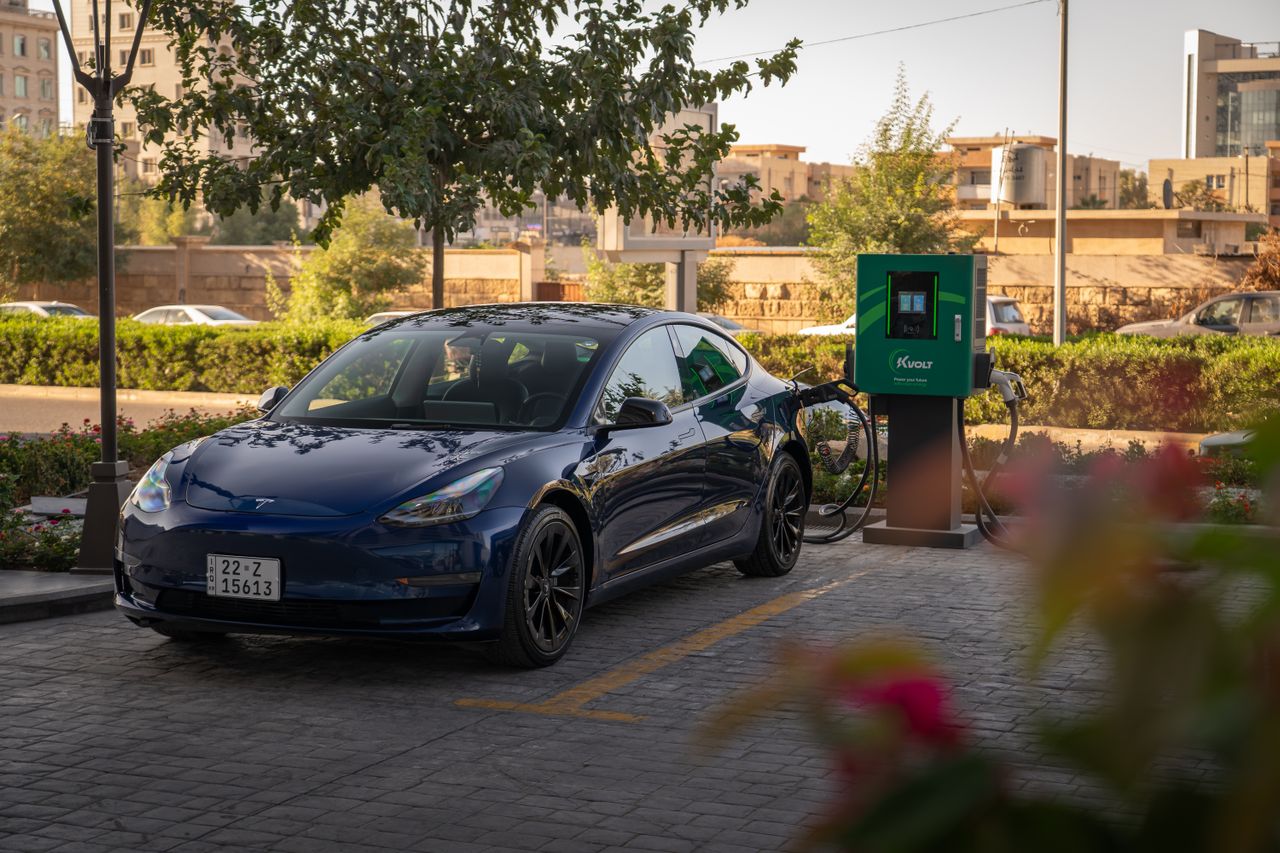
Tesla's cabin air system — officially named Bioweapon Defense Mode, a name Elon Musk has said was chosen half-seriously to make a point about how capable the filtration is — uses a HEPA filter Tesla claims is "100 times more effective than premium automotive filters, removing at least 99.97% of fine particulate matter and gaseous pollutants, as well as bacteria, viruses, pollen, and mold spores." That 99.97% figure is the same standard used for medical-grade HEPA filtration generally, not a Tesla-invented number.
In a demonstration test, Tesla sealed a Model X inside a chamber pumped full of air at 1,000 µg/m³ of PM2.5 — roughly 80 times the EPA's "good" air quality threshold of 12 µg/m³, and well into hazardous territory by any standard. With Bioweapon Defense Mode engaged, the system reportedly cleared the cabin air to safe levels in about two minutes, then began actively filtering and improving the air outside the car as it continued to run.
Real-world reports back this up anecdotally. During the 2025 Los Angeles wildfires, Tesla owners described the feature as functionally useful rather than gimmicky — one Model X owner wrote that it helped directly with breathing issues from the smoke, and other drivers reported the cabin staying clear enough to keep Autopilot and normal driving comfortable while surrounding air quality was hazardous.
What other EVs offer (and where the gap is)
Not every EV markets its filtration the way Tesla does, but most modern EVs — and a fair number of used ones on the market now — do have upgraded cabin air filters compared to older gas vehicles, partly because EV cabins are quieter and manufacturers lean into cabin comfort as a differentiator. The catch: outside of Tesla's HEPA system, most mainstream EVs (Hyundai Ioniq 5, Kia EV6, Chevrolet Bolt, Ford Mustang Mach-E) use a standard automotive cabin filter — effective at reducing dust, pollen, and coarse particulate, but not HEPA-grade for the finest wildfire smoke particles (PM2.5, the size that actually penetrates lungs).
That doesn't mean they're doing nothing. Any sealed cabin with recirculation mode engaged is dramatically better than driving with windows down during a smoke event — the difference is largely one of degree, not kind. If you're cross-shopping a used EV specifically with wildfire season in mind, it's worth checking the filter spec for the trim you're looking at rather than assuming "electric" automatically means "HEPA."
The part owners get wrong: filter age
A HEPA-rated filter that hasn't been changed in three years performs nothing like a fresh one. Cabin air filters load up with particulate over time — and a filter that's spent two or three smoke seasons doing its job is exactly the filter most likely to be clogged and underperforming right when you need it most. This is doubly true for used EVs, where you often don't know the maintenance history. Checking (and likely replacing) the cabin air filter should be a standard line item on any used-EV inspection checklist, the same way you'd check tire tread or brake wear — it's inexpensive, and it's the single biggest lever an owner controls over how well the system performs during smoke season.
What this means practically
A few habits make a real difference regardless of which EV you're driving:
Use recirculation mode, not fresh-air intake, during smoke events. Fresh-air intake pulls outside smoke directly into the cabin; recirculation keeps the (filtered) cabin air working in a closed loop.
Pre-condition the cabin while still plugged in, the same habit that helps in winter cold — clearing cabin air before you leave means you're not pulling in a fresh dose of smoke-laden outside air the moment you start driving.
Replace the cabin filter before smoke season, not during it, especially on a used EV where you don't know when it was last changed.
Don't treat a good cabin filter as a substitute for limiting exposure. On the worst air-quality days, minimizing time on the road (or in traffic with windows/doors opening) still matters more than any filtration system.
The bottom line
EV cabin air filtration isn't marketing fluff — Tesla's HEPA-based system in particular has real testing behind the 99.97% PM2.5 removal claim, and owner experience during actual wildfire events backs it up. Most other EVs offer meaningful but less aggressive filtration through standard cabin filters, which is still a real advantage over driving with the windows cracked. For used-EV buyers specifically, the biggest variable isn't which car you choose — it's whether the cabin filter has actually been maintained. That's a five-minute check worth doing before smoke season arrives, not during it.
For the bigger picture on driving through active fire conditions — not just the air you're breathing, but whether your range and charging plan hold up — see our companion piece on evacuating in a used EV.
FAQ
Does Tesla's Bioweapon Defense Mode actually filter wildfire smoke? Yes. It uses a HEPA filter rated to remove at least 99.97% of PM2.5 particulate — the fine particle size most associated with wildfire smoke health risks — and testing has shown it can clear cabin air in a heavily contaminated environment in about two minutes.
Do non-Tesla EVs have similarly effective air filtration? Most use standard automotive cabin filters rather than HEPA-grade systems, which are still meaningfully better than no filtration but less effective specifically against the finest smoke particulate. Check the filter spec for your specific model and trim.
How often should I replace my EV's cabin air filter if I live in a wildfire-prone area? More often than the standard interval suggests — smoke season puts real load on the filter. Replacing it before the season starts, and checking it if you buy a used EV with unknown maintenance history, is a reasonable baseline.
Sources: Teslarati, "Tesla's 'Bioweapon Defense Mode' is proving invaluable once more amid CA's wildfires"; Capital One Auto Navigator, "Understanding Tesla's Bioweapon Defense Mode".