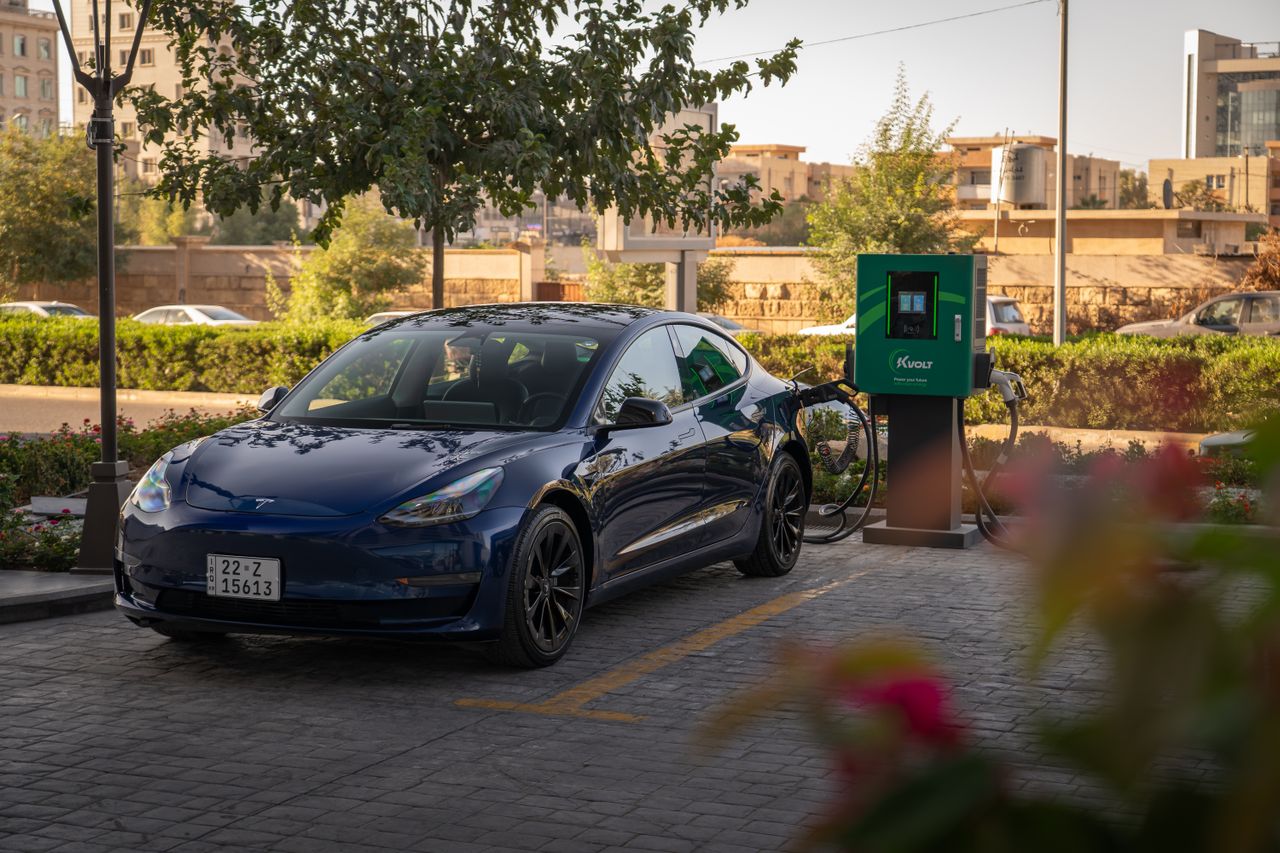
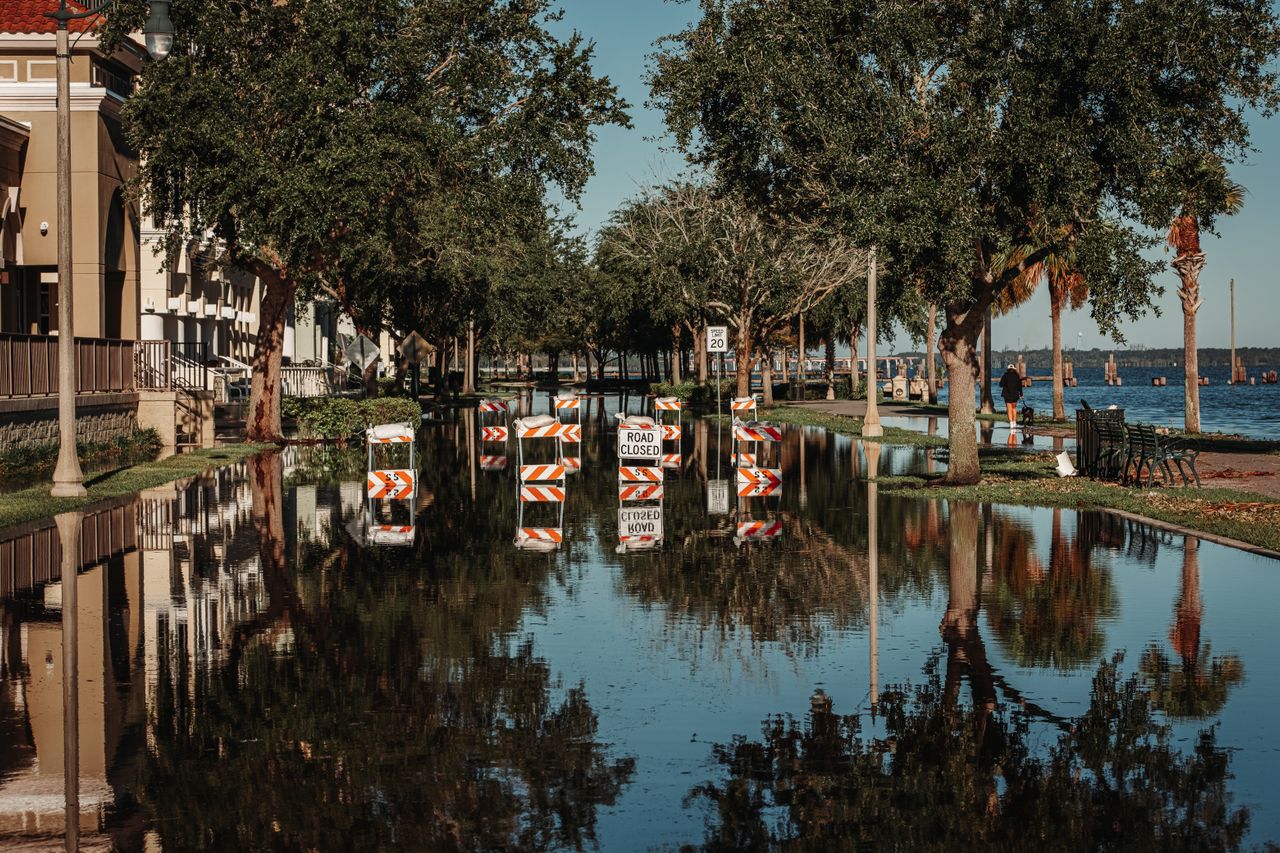
Flooding doesn't get talked about nearly as much as wildfire or extreme cold in EV ownership conversations, but the underlying numbers are hard to ignore. Over 1.5 million Canadian homes sit in high flood risk areas, roughly 80% of Canadian cities are built wholly or partly on floodplains, and only 10-15% of households carry flood insurance despite that exposure. Insured flood losses have averaged close to $800 million annually over the past decade — and individual events have run far higher, including roughly $900 million in insurable losses from Toronto's July 2024 flooding alone and $2.8 billion from Hurricane Debby's remnants hitting Quebec that same August.
If you're buying a used EV with an existing home charging setup — which is common, since a home charger is one of the more attractive things a private seller can include in the deal — flood exposure for that electrical installation is worth checking specifically, not assumed away.
Why this matters more for EV charging than for a typical home outlet
A home Level 2 charger draws considerably more current than a standard household circuit, and it's often installed in a garage or basement — exactly the parts of a home most likely to flood. Combine higher current draw with a location prone to water intrusion, and you have a genuinely more serious electrical hazard than the garage outlet a previous owner used for a shop vacuum.
Utility guidance on flooded electrical systems is consistent and blunt: electricity can travel through water or wet flooring and cause severe shock or death, and any electrical equipment in a flooded area should be treated as energized until confirmed otherwise by a professional. That's not exclusive to EV chargers, but it applies directly to one, and it's a real safety consideration if you're inheriting a used charger install rather than putting one in yourself with flood risk in mind from the start.
What to check if you're buying a used EV with an existing charger install
Where is it physically located? A charger mounted in a basement or a garage with a history of water intrusion is a materially different risk than one mounted at grade level in a detached garage or on an exterior wall well above typical flood lines. Ask directly, and if buying from a private seller, ask whether the property has flooded before — not just whether the charger has been affected.
Was it installed to code, including GFCI protection? Ground fault circuit interrupter (GFCI) protection is required by electrical code both for garage receptacles generally and specifically for EV charging equipment, because it detects small current leaks — including the kind caused by water intrusion — and cuts power before it becomes a shock hazard. Many Level 2 chargers also include their own built-in ground fault protection, which is a good thing for safety but can occasionally cause "nuisance tripping" when combined with an external GFCI breaker; if a seller mentions the charger trips randomly, it's worth having an electrician verify the setup is correctly configured rather than assuming it's a minor annoyance.
Has it ever been flood-exposed? This is the single most important question. Even electrical equipment that looks externally fine after a flood can be compromised — utility guidance is explicit that a licensed electrician should inspect any flood-exposed electrical system before it's reconnected, regardless of visible condition. If a seller can't or won't answer this clearly, treat it the way you'd treat an unclear accident history on the vehicle itself: a reason for extra diligence, not an automatic dealbreaker, but not something to skip either.
If you're installing a new home charger in a flood-prone area
If you own the home rather than buying one with a charger already installed, this is a case where a small amount of upfront planning avoids a much bigger problem later:
Discuss charger and electrical panel placement with your electrician specifically with flood risk in mind — mounting height and location matter more in a flood-prone property than in a low-risk one.
Understand what your home insurance actually covers. Standard flood coverage frequently excludes water entering through foundation cracks — a common basement flooding pathway — so confirming exactly what's covered before you need it matters more than assuming you're protected.
Basic structural flood resilience measures (proper lot grading, a maintained backwater valve, a sump pump with battery backup) reduce the odds your charger installation ever faces water exposure in the first place, and they're worth doing regardless of whether you drive an EV.
For the broader picture on setting up home charging in Canada generally, our complete home charging setup guide covers the full process; this piece is specifically about the flood-risk layer on top of that.
The bottom line
Flood risk isn't a reason to avoid home EV charging, but it is a reason to ask specific questions if you're buying a used EV with a charger already installed, particularly in flood-prone Canadian cities. Location, code compliance (especially GFCI protection), and flood-exposure history are the three things worth confirming directly. If anything is unclear, a licensed electrician's inspection is a small cost relative to the risk of an energized, flood-compromised charger in daily use.
FAQ
Is it safe to use a home EV charger that's been through a flood? Not without inspection. Electrical equipment exposed to flooding can remain hazardous even if it looks undamaged externally — a licensed electrician should inspect and confirm safety before reconnecting any flood-exposed charger.
Do home EV chargers need GFCI protection? Yes. Electrical code requires GFCI protection both for garage receptacles generally and specifically for EV charging equipment, which helps protect against shock hazards including those caused by water intrusion.
Does home insurance cover flood damage to an EV charger? It depends on your specific policy and the flood's source. Standard coverage frequently excludes water entering through foundation cracks, a common basement flooding pathway, so it's worth confirming exact coverage with your insurer rather than assuming.
Sources: Canadian Climate Institute, "Climate Change and Flooding in Canada" fact sheet; Manitoba Hydro, "Flood safety: spring 2026"; Qmerit, "NEMA 14-50 vs. Hardwired EV Chargers: GFCI Code Requirements"; Insurance Bureau of Canada, basement flood protection guidance.