Our best used electric SUVs under $40,000 guide covers a mid-range budget tier. This one goes lower — the genuine entry-level end of the Canadian used EV market, where real, drivable options exist well under $20,000, provided you go in with realistic expectations about range and battery age.
Quick answer: Canada's sub-$20,000 used EV market breaks into three rough tiers. Under $10,000: first-generation Nissan Leafs (2011-2017, $5,000-10,000, 135-160 km rated range) and the Mitsubishi i-MiEV ($5,000-8,000, ~100 km range) — genuinely basic, city-only transportation. Under $15,000: early Chevrolet Bolt EVs (2017-2019, $12,000-15,000, ~383 km rated range) stand out as the strongest value in this tier, alongside the Kia Soul EV (2015-2019, $10,000-15,000) and Volkswagen e-Golf (2015-2019, $12,000-16,000). Under $20,000: the Hyundai Kona Electric (2019-2021, $15,000-22,000, ~415 km rated range) is widely considered one of the best buys in the entire used EV market, and the BMW i3 (2014-2021, $14,000-20,000) offers a genuinely different, upscale character at this price point. These are general market ranges, not live listings — always check current pricing on AutoTrader.ca, Clutch, or Canada Drives before shopping, since used EV pricing moves.
Under $10,000: basic, honest, city-only transportation
At this tier, you're not buying a road-trip car — you're buying a genuinely capable city runabout, and it's worth being upfront about that rather than pretending otherwise. The first-generation Nissan Leaf (2011-2017) is the most common entry point, typically running $5,000-10,000 with a rated range of 135-160 km when new — meaningfully less after years of degradation, particularly on the earliest, air-cooled-battery examples. Our Leaf Gen 1 vs. Gen 2 comparison breaks down exactly what changed and whether the extra money for a newer example is worth it.
The Mitsubishi i-MiEV, at $5,000-8,000 with roughly 100 km of range, is about as basic as electric vehicles get — a genuinely tiny city car with genuinely tiny range, worth considering only if your driving is consistently short and local. Neither of these cars is a first car for someone who needs flexibility; both are excellent, cheap second cars or dedicated commuter runabouts for someone whose daily driving pattern is well understood and consistently short.
Under $15,000: where the value gets genuinely good
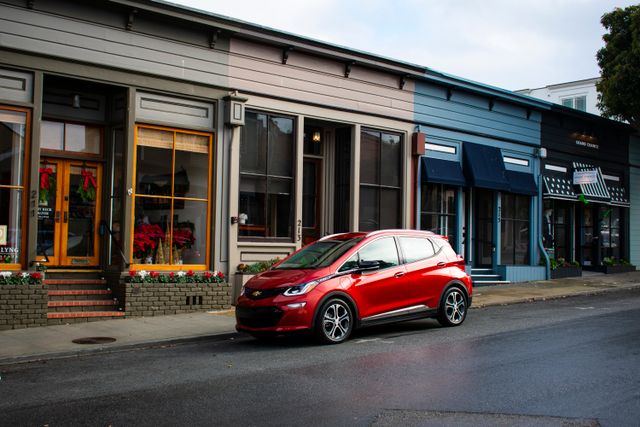
This is where the market starts to feel less like a compromise and more like a real deal. Early Chevrolet Bolt EVs (2017-2019) typically run $12,000-15,000 and carry a rated range around 383 km — a huge step up from the sub-$10,000 tier for a relatively modest price increase, and a genuinely strong value pick. Our Breakdown on the Chevrolet Bolt EV and Bolt EV vs. Kia Niro EV comparison cover the specifics, including the model's known battery-recall history — worth understanding before you buy, though post-recall units with replaced battery modules are generally considered a safer bet, not a red flag.
The Kia Soul EV (2015-2019, $10,000-15,000, 150-179 km range) and Volkswagen e-Golf (2015-2019, $12,000-16,000, ~201 km range) round out this tier — both genuinely usable daily drivers with more realistic range than the sub-$10K tier, if less than the Bolt EV specifically.
Under $20,000: two very different but strong options
At the top of this budget range, two models stand out for very different reasons. The Hyundai Kona Electric (2019-2021) typically runs $15,000-22,000 — some well-equipped trims will push slightly over a strict $20,000 ceiling — with a genuinely strong rated range around 415 km, and it's regularly described as one of the best overall buys in the used EV market at any price point, not just this budget tier. If you can stretch to it, it's worth prioritizing over the cheaper options above for the range and reliability trade-off alone.
The BMW i3 (2014-2021, $14,000-20,000, 183-246 km range depending on year and battery size) offers something genuinely different at this price: real BMW build quality and a distinctive, upscale cabin in a compact package, appealing specifically to a buyer who wants an EV that doesn't feel like a budget choice even though it's priced like one.
What to watch for regardless of which tier you're shopping
A few things matter more at this end of the market than they do shopping a newer, pricier used EV. First, battery health verification isn't optional here — at these ages and price points, state-of-health variance between individual examples is real, and our battery health guide and battery degradation resale value piece both explain why a documented reading matters more than the odometer at this age. Second, remaining manufacturer warranty is essentially gone or nearly gone on every car in this list, so budget mentally for the possibility of an out-of-warranty repair — see our EV warranty guide for used buyers. And third, treat every price range here as a starting point, not a guarantee — used EV pricing moves with the broader market, and a specific model, year, and trim combination can sit meaningfully above or below these general bands depending on condition, mileage, and location.
The bottom line
A genuine, usable entry-level used EV market exists in Canada well under $20,000 — from basic city runabouts under $10,000 to genuinely strong all-rounders like the Bolt EV and Kona Electric as you approach the ceiling. Match your pick to your actual driving pattern rather than reaching for maximum range you won't use, verify battery health before buying regardless of price tier, and check current live listings before treating any of these price ranges as fixed.
FAQ
What's the cheapest used EV you can buy in Canada? First-generation Nissan Leafs (2011-2017) and the Mitsubishi i-MiEV are typically the least expensive options, often available for $5,000-8,000, though with correspondingly limited range (100-160 km rated).
What's the best value used EV under $20,000 in Canada? The Chevrolet Bolt EV (2017-2019, roughly $12,000-15,000) and Hyundai Kona Electric (2019-2021, roughly $15,000-20,000+) are the strongest overall value picks in this budget range, both offering meaningfully more range than cheaper alternatives.
Is a sub-$10,000 used EV worth buying? For consistently short, local driving, yes — but go in with realistic expectations about range (100-160 km rated, less after years of degradation) rather than expecting a car that can comfortably handle longer trips.
Should I get a battery health check before buying a budget used EV? Yes, more so than with a newer or pricier used EV — at these ages and price points, individual battery condition varies significantly, and a documented state-of-health reading tells you far more than the odometer.
Sources: Canada Drives, "Cheapest Used Electric Vehicles in Canada for 2026". Used vehicle pricing shifts regularly — treat these as general market ranges and check current live listings (AutoTrader.ca, Clutch, Canada Drives) before shopping.