Most "best EV for Canada" content defaults straight to winter — cold-weather range, heat pumps, AWD for snow. Less gets said about the flip side: if you live somewhere that regularly sees 35°C-plus stretches — the Okanagan Valley, southwestern Ontario, or the southern Prairies during a heat dome — some used EVs genuinely handle that better than others, both in day-to-day range and in long-term battery health.
This is the summer counterpart to our best EVs for Canadian winters guide, built around the same principle: real-world thermal performance data, not brand assumptions.
What actually makes an EV good in heat
Two things determine how well a specific EV handles extreme heat, and they're mostly invisible from the spec sheet:
A liquid-cooled battery with active thermal management. This is table stakes on nearly every EV sold in the last several years, but the quality of the implementation varies — some systems keep the pack in its optimal temperature band more effectively than others, which shows up directly in range consistency during heat waves.
How the AC and cabin cooling system is engineered relative to the battery cooling loop. A well-integrated system shares thermal management resources efficiently; a poorly integrated one makes the battery and cabin cooling compete for the same energy budget, which is where you see steeper range drops.
Real-world fleet data is the only reliable way to actually see which cars get this right — brand reputation alone doesn't predict it well.
The standouts, based on real-world data
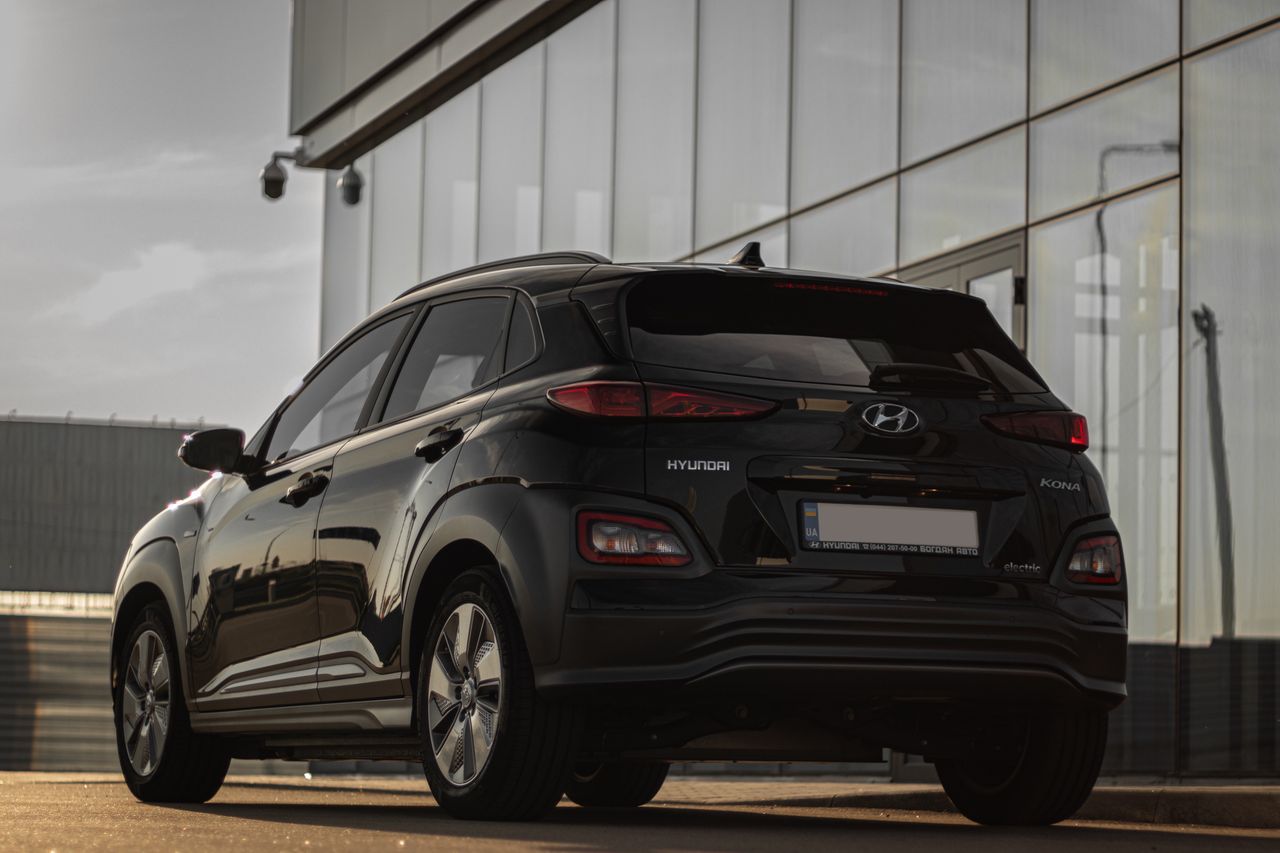
Hyundai Kona Electric — one of the strongest performers in independent warm-weather range testing, delivering 122-130% of its advertised EPA range across a 60-95°F band in real-world data. Combined with generally strong reliability as a used buy (see our best used EV model years guide for which years to target), this is arguably the single best-value pick for hot-climate buyers on the used market right now.
Chevrolet Bolt EV — also held up well in the same warm-weather testing, with range loss of roughly 5-8% across a wide 60-95°F range and, in some conditions, exceeding its EPA rating at 80°F. The Bolt's relatively simple thermal architecture appears to work in its favour here. It's also one of the more affordable used EVs on the market — see our comparison of the Model 3 and Bolt for used buyers if you're cross-shopping.
Hyundai/Kia E-GMP platform vehicles (Ioniq 5, Ioniq 6, EV6) — these share an 800-volt architecture with genuinely robust integrated thermal management across battery, electronics, and cabin systems, engineered in part for fast-charging performance that requires excellent heat dissipation as a side benefit. That same engineering translates well to sustained heat-wave driving.
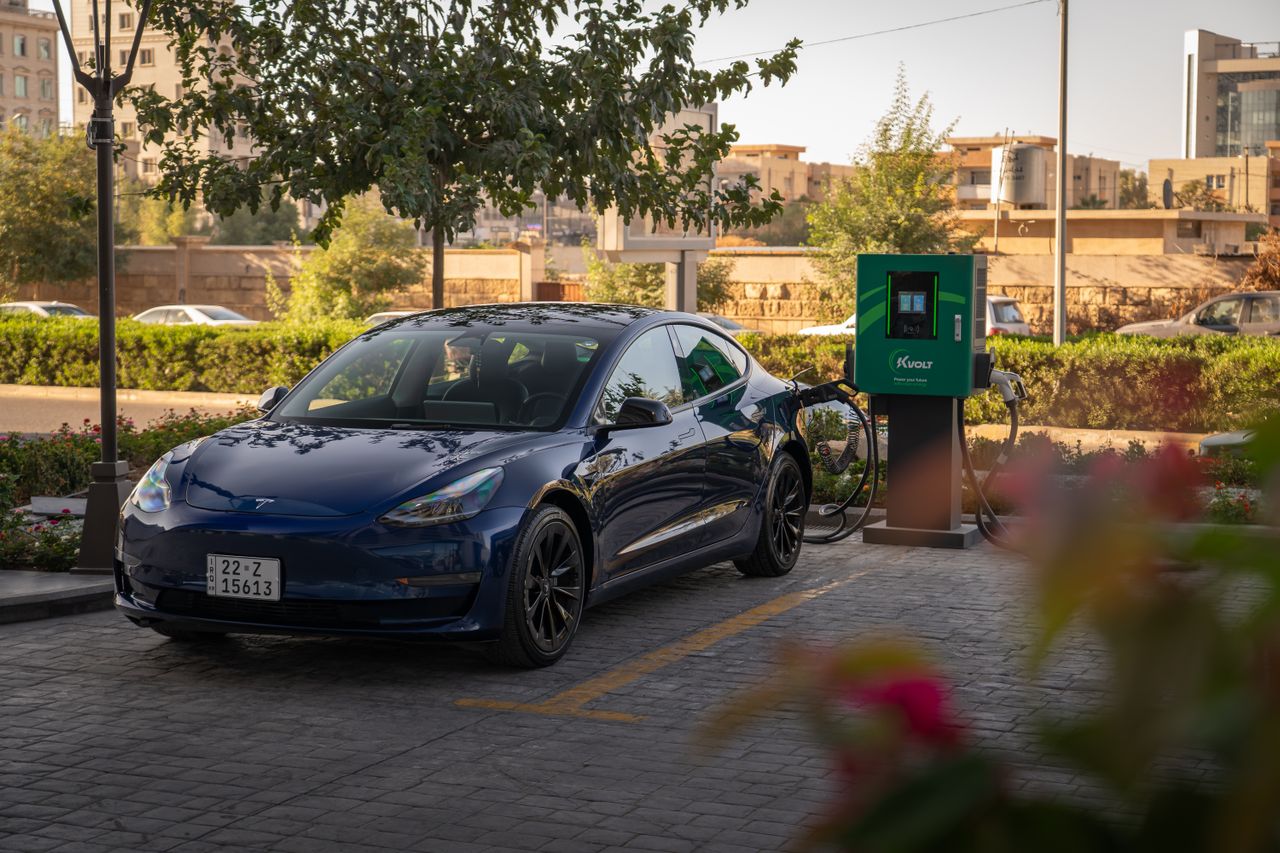
Tesla Model 3 / Model Y — showed the most temperature-consistent range readings of any vehicles in independent testing, meaning less swing between a mild day and a hot one — useful if predictability matters more to you than peak performance. Real-world range trailed advertised figures more than some competitors, so factor that into range planning regardless of season.
Where to be more cautious
Not every EV on the used market has equally robust thermal engineering, and older or lower-cost models with simpler passive cooling systems (rather than active liquid cooling) can show more pronounced range and long-term degradation effects in sustained heat. This isn't a reason to avoid any specific car outright, but it's a reason to prioritize a genuine State of Health check if you're buying an older or budget-tier used EV specifically for a hot-climate region — the battery health check matters more here than it would for a buyer in a milder climate.
What to check regardless of model
Battery State of Health, always — heat history is invisible without a direct reading.
Coolant/thermal loop maintenance history, where available — a liquid-cooled battery system needs its coolant maintained like any other vehicle cooling system.
Whether the vehicle was typically garaged, especially if it's coming from a hot-summer region — reduces cumulative heat exposure over the vehicle's life even for well-engineered cars.
Real-world range data for the specific trim and year, not just the nameplate — battery pack size and cooling hardware can change year to year within the same model name.
The bottom line
If you live somewhere in Canada that sees regular 35°C-plus summer stretches, the Hyundai Kona Electric and Chevrolet Bolt EV stand out in real-world heat performance data, with the Hyundai/Kia E-GMP vehicles (Ioniq 5/6, EV6) a strong step up if budget allows, thanks to genuinely robust thermal engineering. Whatever you choose, a direct battery health check matters more for hot-climate buyers than for the average used-EV shopper — heat-related degradation is real, measurable, and worth confirming before you buy rather than after.
FAQ
What's the best used EV for hot Canadian summers? Based on real-world range testing, the Hyundai Kona Electric and Chevrolet Bolt EV both perform notably well in heat, often meeting or exceeding their EPA range ratings in warm conditions. Hyundai/Kia E-GMP vehicles (Ioniq 5, Ioniq 6, EV6) offer more robust thermal engineering for buyers willing to spend more.
Does heat affect all EVs the same way? No. Real-world testing shows meaningful variance between models — some exceed their EPA range in heat while others show more pronounced losses, largely depending on the quality of their thermal management engineering.
Is a used EV from a hot climate region a worse buy? Not automatically, but it's a reason to prioritize a direct battery State of Health check rather than relying on mileage or age alone, since sustained heat exposure can accelerate degradation.
Sources: InsideEVs, "Here's How Hot Weather Affects Electric Car Range"; Recharged, "Best Electric Car for Hot Climate (2026 Guide)".