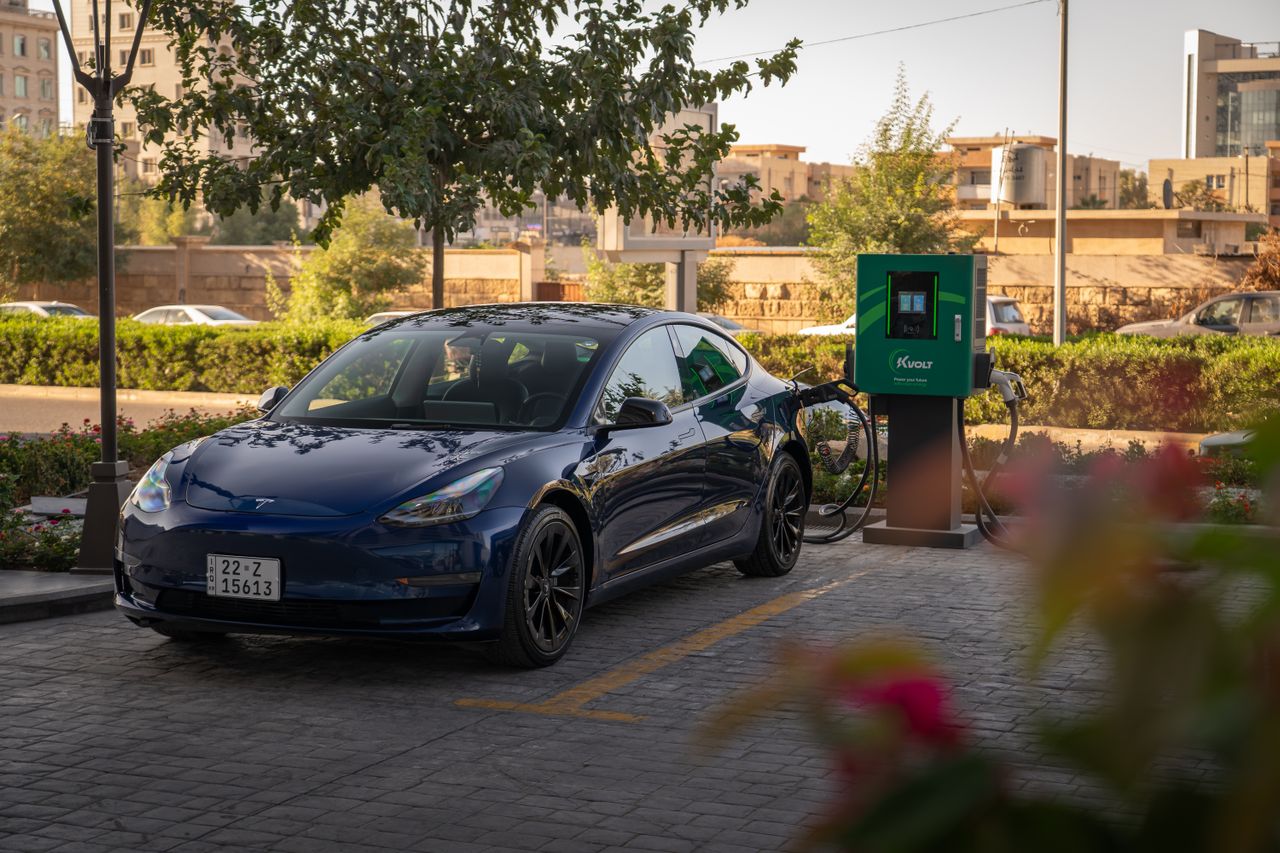

A used EV bought in Canada today will, over a typical ownership period, likely face all of the following: a genuine cold snap below -20°C, a summer heat dome pushing past 35°C, and — depending on where you live — meaningful odds of either a wildfire evacuation or urban flooding. That's not alarmism; it's the pattern of the last several Canadian summers and winters, and it's the reason we've built out this section well beyond "how does an EV handle snow."
This piece pulls those threads together into one practical checklist — the realistic risk from each type of extreme weather, and what actually matters when you're buying or already own a used EV in Canada.
Cold: the most well-understood risk, still worth restating
Cold remains the single biggest and most consistent range hit an EV faces in Canada — data shows losses of up to 30% in sub-freezing conditions, driven mainly by resistive cabin heating and reduced battery chemistry efficiency at low temperatures. The mitigations are well established at this point: preconditioning while plugged in, a heat pump where available, and winter tires that meaningfully affect both safety and real-world range (see our winter tires guide). For a used-EV buyer, cold-weather performance is the best-documented variable of any climate risk, which makes it the easiest to plan around.
Heat: increasingly comparable to cold, and less understood
What's newer is how much heat now matters. Range loss stays modest until roughly 35°C, then climbs sharply — in some real-world data reaching losses comparable to a moderate cold snap. More significant for used-EV buyers specifically: sustained heat exposure above roughly 35°C has been shown in recent battery research to accelerate long-term degradation, not just cause a temporary range dip. That makes a used EV's climate history — where it lived, whether it was typically garaged — a genuinely useful (if often overlooked) input alongside mileage and age when evaluating battery health.
Checklist:
Get a direct battery State of Health reading rather than trusting the dash range estimate, especially for vehicles from hot-summer regions.
If you live somewhere that regularly sees 35°C+ stretches, favour models with strong documented heat performance — the Hyundai Kona Electric and Chevrolet Bolt EV are standouts in real-world testing.
Extend your preconditioning habit through summer, not just winter — it protects both fast-charging speed and battery comfort.
Wildfire: the fastest-growing risk category, and the least understood
This is genuinely new territory compared to a few years ago. The 2026 wildfire season alone has produced evacuation orders for over 20,000 people in BC's Okanagan region (the Bald Range fire near Summerland and Peachland) and multi-day power outages from infrastructure damage (BC Hydro reported roughly 150 poles destroyed by the Bradley Creek wildfire, with "prolonged outages" warned for Vernon and Spallumcheen). If you live in or near BC's interior, Alberta's forested regions, or northern Ontario, this isn't a hypothetical.
The research-backed reality is reassuring on one point and concerning on another: range itself is rarely the failure point in an evacuation — most used EVs have comfortable margin for typical evacuation distances even accounting for heat and traffic. The real bottleneck, documented in academic research on evacuation charging behaviour, is charger congestion after arrival, especially when combined with power shutoffs that can knock out the exact charging infrastructure you were counting on.
Checklist:
Don't let daily charge float below 50% during fire season (roughly May-September in BC and the Prairies).
Identify at least two charging options outside your immediate area, not just the one you normally use.
If you're in a high-risk zone, understand your vehicle's V2H/vehicle-to-home capability (or lack of it) — some used EVs, notably the Ford F-150 Lightning and several Hyundai/Kia and GM models, can power your home during an outage instead of needing to be charged themselves.
Get a real cabin air filter check as part of any used-EV inspection — smoke season is hard on a neglected filter.
Full detail in our wildfire evacuation range guide and power shutoff charging guide.
Flood: an underrated risk for home charging setups specifically
Flooding doesn't get the same EV-specific attention as wildfire or heat, but the underlying numbers are significant: over 1.5 million Canadian homes sit in high flood risk areas, roughly 80% of Canadian cities are built wholly or partly on floodplains, and only 10-15% of households carry flood insurance. Insured flood losses have averaged nearly $800 million annually over the past decade, with individual events like Toronto's July 2024 flooding running close to $900 million in insurable losses alone.
For EV owners the specific concern isn't the vehicle itself so much as home charging infrastructure — a Level 2 charger or panel upgrade installed in a basement or garage that later floods is a real electrical hazard, not just an inconvenience. Utility guidance is consistent and serious on this point: never enter a flooded area with electrical equipment present, assume everything remains energized until the utility confirms otherwise, and have a licensed electrician inspect any flood-exposed electrical system before reconnecting, even if it looks fine externally.
Checklist:
If you're installing home charging in a flood-prone property, discuss charger and panel placement with your electrician specifically with flood risk in mind, not just convenience.
Know your home flood insurance situation — standard policies frequently exclude water entering through foundation cracks, which is a common basement flooding pathway.
After any flooding event near your home's electrical systems, have a licensed electrician inspect before using your charger again, regardless of how it looks.
What ties all four together
Every one of these risks shares a common thread for used-EV buyers: verified battery health and verified charging infrastructure matter more than they used to, because Canada's climate now stresses both more often and more severely than it did even five years ago. A proper battery health check and a realistic home charging setup aren't just nice-to-haves on a used EV purchase — treat them as core diligence, the same weight you'd give a full inspection checklist or a province-specific buying decision.
None of this is a reason to avoid a used EV. It's a reason to buy with eyes open, and to plan around the specific climate risks of where you actually live rather than generic advice that assumes a mild, stable climate that increasingly doesn't describe most of Canada.
FAQ
What's the biggest climate risk for a used EV in Canada? Cold remains the most consistent and best-documented range risk, but heat, wildfire, and flood risk have all become significant enough in recent years that they deserve equal planning, particularly for buyers in BC's interior, the Prairies, and flood-prone urban areas.
Should I avoid buying a used EV if I live in a high-risk climate region? No. The research consistently shows that a well-maintained used EV with verified battery health handles these conditions reasonably well. The risk is buying without doing that verification, not owning an EV in a challenging climate.
What's the single most useful thing I can do before buying a used EV in Canada? Get a direct battery State of Health reading rather than relying on the dash estimate — it's the one check that's relevant across every climate risk covered here, from cold-weather range to heat degradation to evacuation planning.
Sources: Canadian Climate Institute, "Climate Change and Flooding in Canada" fact sheet; Al Jazeera, BC wildfire evacuation coverage; Kelowna Capital News, Bradley Creek wildfire BC Hydro damage report.